All itineraries
— Cairo · Egypt

Minarets, Martyrs & Medieval Lanes

Two days tracing Cairo's Islamic and Coptic soul, from spiral minarets to ancient churches

2 days13 stopsSMOVECITY EditorsUpdated October 2026

cultureclassicfoodweekend
Minarets, Martyrs & Medieval Lanes — Cairo

This two-day itinerary moves through the oldest layers of Cairo — the monumental mosques and madrasas of the medieval Islamic city, the towering Citadel on its rocky spur, and the quiet Coptic enclave sheltering some of Christianity's earliest places of worship. Mornings are given to grand architecture, afternoons to wandering market lanes and candlelit sanctuaries, and evenings to unhurried meals that bookend the day with ease.

Day 1

  1. 09:00

    Arrive & Check In

    ~60 min

    Settle into your hotel and take a short rest before the first full day of exploration. Cairo's medieval districts are best approached on foot with comfortable shoes and a full camera battery.

  2. 10:00

    Mosque of Ibn Tulun

    ~75 min

    Start the day at one of Cairo's most extraordinary and least-crowded monuments. Built in the 9th century, Ibn Tulun is the oldest mosque in the city to survive in its original form. Its famous spiral minaret — the only one of its kind in Egypt — rises above a vast arcaded courtyard that rewards slow, unhurried walking. Climb the minaret if it's open: the view over the rooftops is well worth the narrow staircase.

    Mosque of Ibn Tulun
  3. 11:30

    Lunch at Koshary Abou Tarek

    ~45 min

    A short ride brings you to one of Cairo's most beloved institutions for koshary — the city's definitive street staple of lentils, pasta, rice, and spiced tomato sauce. Unpretentious, energising, and deeply local: exactly the fuel needed before an afternoon at the Citadel.

  4. 13:00

    Cairo Citadel

    ~60 min

    The Citadel has commanded Cairo's skyline since Saladin began building it in 1176. Spend the early afternoon exploring its ramparts, the military and police museums within, and the broad terraces that give sweeping views across the city to the Giza plateau on clear days.

    Cairo Citadel
  5. 14:15

    Muhammad Ali Mosque

    ~45 min

    Inside the Citadel stands the Ottoman-style mosque that dominates Cairo's horizon. Built in the early 19th century for Muhammad Ali Pasha and modelled on Istanbul's great imperial mosques, its alabaster-clad interior and twin minarets are genuinely arresting. Remove your shoes, take your time, and let the acoustics do the rest.

    Muhammad Ali Mosque
  6. 19:30

    Dinner at Osmanly Restaurant

    ~90 min

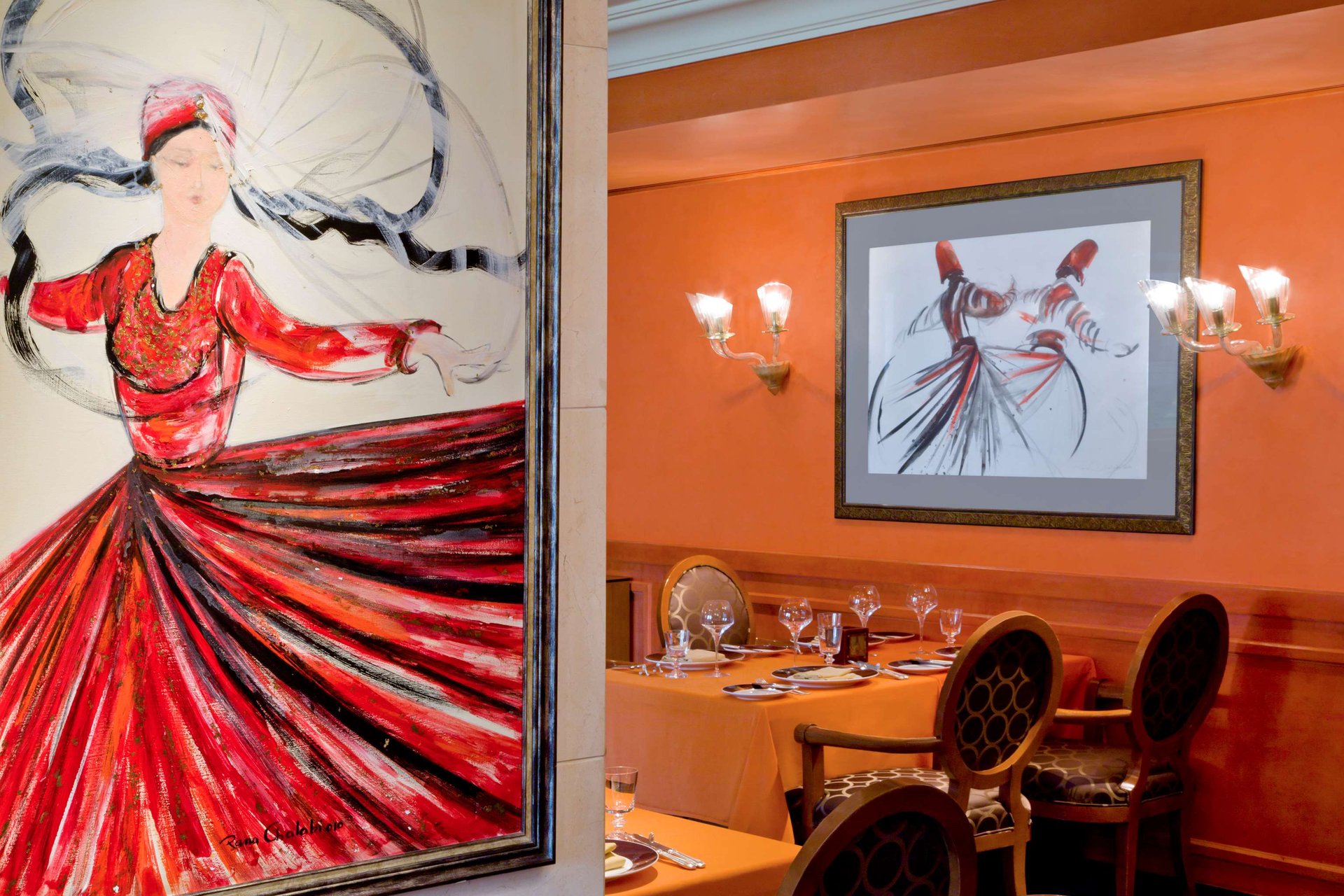
    Round off the day with Ottoman-inspired cooking at Osmanly — a fitting echo of the architectural themes of the afternoon. The kitchen draws on rich Levantine and Turkish traditions, making it a considered and flavourful way to close a day spent among the city's great Islamic monuments.
Day 2

  1. 09:00

    Al-Azhar Mosque

    ~60 min

    Begin the second day at al-Azhar, founded in 970 AD and one of the oldest universities in the world still in operation. The mosque's layered interior — an accumulation of additions across ten centuries — makes it a living architectural document. Non-Muslim visitors are welcome outside prayer times; modest dress and a headscarf for women are required.

    Al-Azhar Mosque
  2. 10:15

    Khan el-Khalili & Free Wander

    ~75 min

    Step directly from al-Azhar into the lanes of Khan el-Khalili, the medieval market quarter that has been trading in spices, copper, textiles, and perfume oils since the 14th century. Allow time to simply drift — past lantern-makers, jewellers, and tea houses — before doubling back for lunch.

  3. 12:00

    Lunch at Bab El-Sharq

    ~60 min

    A well-placed stop for Eastern Mediterranean cooking after the morning's wandering. The menu leans into regional comfort food — mezze, grilled meats, and flavoured breads — in an atmosphere that suits the neighbourhood's character.

  4. 13:15

    Transit to Coptic Cairo

    ~20 min

    A short taxi or ride-share takes you south to the walled Coptic enclave, one of the oldest continuously inhabited quarters of the city. The shift in atmosphere — from the maze of Islamic Cairo to these quieter, shaded lanes — is immediate and striking.

  5. 13:45

    Mosque of Amr ibn al-As

    ~40 min

    Just outside the Coptic walls stands the mosque built by the Arab general who conquered Egypt in 641 AD — the first mosque ever erected on African soil. While heavily restored over the centuries, it carries an immense historical weight. The interior is simple and serene, a useful counterpoint to the ornate grandeur of the morning.

    Mosque of Amr ibn al-As
  6. 14:30

    Rest & Afternoon Stroll in Coptic Cairo

    ~45 min

    Use the late afternoon to wander the Coptic quarter at your own pace — its narrow passageways, ancient walls, and small garden courtyards invite slow exploration. Pick up a cold drink from a street cart and let the pace drop before the evening.

  7. 20:00

    Dinner at Pane Vino Restaurant

    ~90 min

    Close the two-day journey with a leisurely Italian-Mediterranean dinner at Pane Vino — a relaxed setting that offers a graceful change of register after two days of intense history. Linger over pasta and wine as the city shifts into its evening tempo around you.

Good to know

How many days do I need for Cairo?

Minarets, Martyrs & Medieval Lanes covers Cairo in 2 days, with 13 planned stops. You can follow it exactly as published, or shorten and extend days after opening it in the SMOVECITY app.

Can I customize this itinerary?

Yes. Opening it in the SMOVECITY app turns it into your own editable trip — reorder days, add or remove stops, and invite friends to plan together with live co-editing.

How do I get around in Cairo?

The SMOVECITY app shows public transport, shared bikes, e-scooters and other mobility options in Cairo on one live map, so you can compare routes between the stops on this itinerary as you go.

Make this itinerary yours

Open it in the SMOVECITY app to turn it into your own trip — edit the days, invite friends, and get around Cairo with live transit and shared mobility.