All itineraries
— Tokyo · Japan

The Slow City: Tokyo's Quieter Side

Temple gardens, old canals, and the neighbourhoods that move at their own pace

3 days16 stopsSMOVECITY EditorsUpdated September 2026

culturefoodclassicoutdoors
The Slow City: Tokyo's Quieter Side — Tokyo

Three days spent peeling back the louder layers of Tokyo — wandering the wooden lanes of Yanaka, sitting with Zen ink paintings and folk-craft collections, and ending each evening at a counter where the night stretches on gently. This is Tokyo without the crowds jostling for position: unhurried, lived-in, and quietly extraordinary.

Day 1

  1. 13:00

    Arrive & Check In

    ~60 min

    Settle into your accommodation and get your bearings. The itinerary leans west and north, so anywhere between Shibuya and Ueno puts you well-placed for all three days.

  2. 14:00

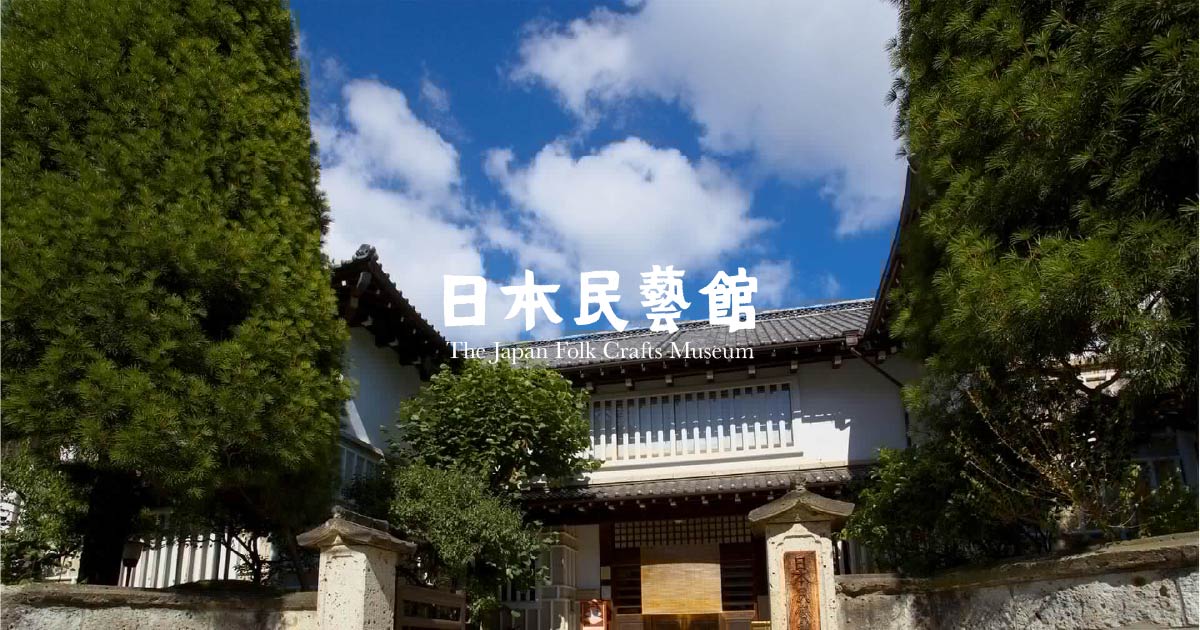
    Nihon Mingeikan — Japan Folk Crafts Museum

    ~90 min

    Sōetsu Yanagi's lifelong argument that beauty lives in everyday objects reaches its most persuasive form here. Ceramics, textiles, lacquerware, and furniture from across Japan and Korea fill a handsome 1930s stone building in Komaba — a neighbourhood that rewards slow walking even between the exhibits.
  3. 18:30

    Dinner at Eifukucho Taishōken

    ~60 min

    Make the short trip to Eifukucho for a bowl of tsukemen at this storied shop. The broth is deep and sardine-rich, and the queue moves with practiced efficiency — the kind of place locals return to for decades without tiring of it.
  4. 20:00

    Evening at Bar Six

    ~90 min

    A bar that takes its drinks seriously without taking itself too seriously. Pull up a stool, let the bartender guide you through the spirits, and let the first evening in Tokyo dissolve at a satisfying pace.

Day 2

  1. 09:30

    Komazawa University Zen Culture & History Museum

    ~90 min

    The Sōtō school of Zen maintains this calm, scholarly museum on the university's forested campus. Ink paintings, ritual objects, and texts trace a lineage stretching back to 13th-century Japan — a genuinely absorbing morning before the city gets going.

  2. 12:00

    Lunch at Teishoku Kado

    ~60 min

    A small teishoku counter where a set meal — rice, miso, a main, pickles — arrives quickly and without ceremony. Exactly what you want after a morning of quiet contemplation: nourishing, unfussy, and very good.

  3. 14:00

    Matsutō Art Museum

    ~75 min

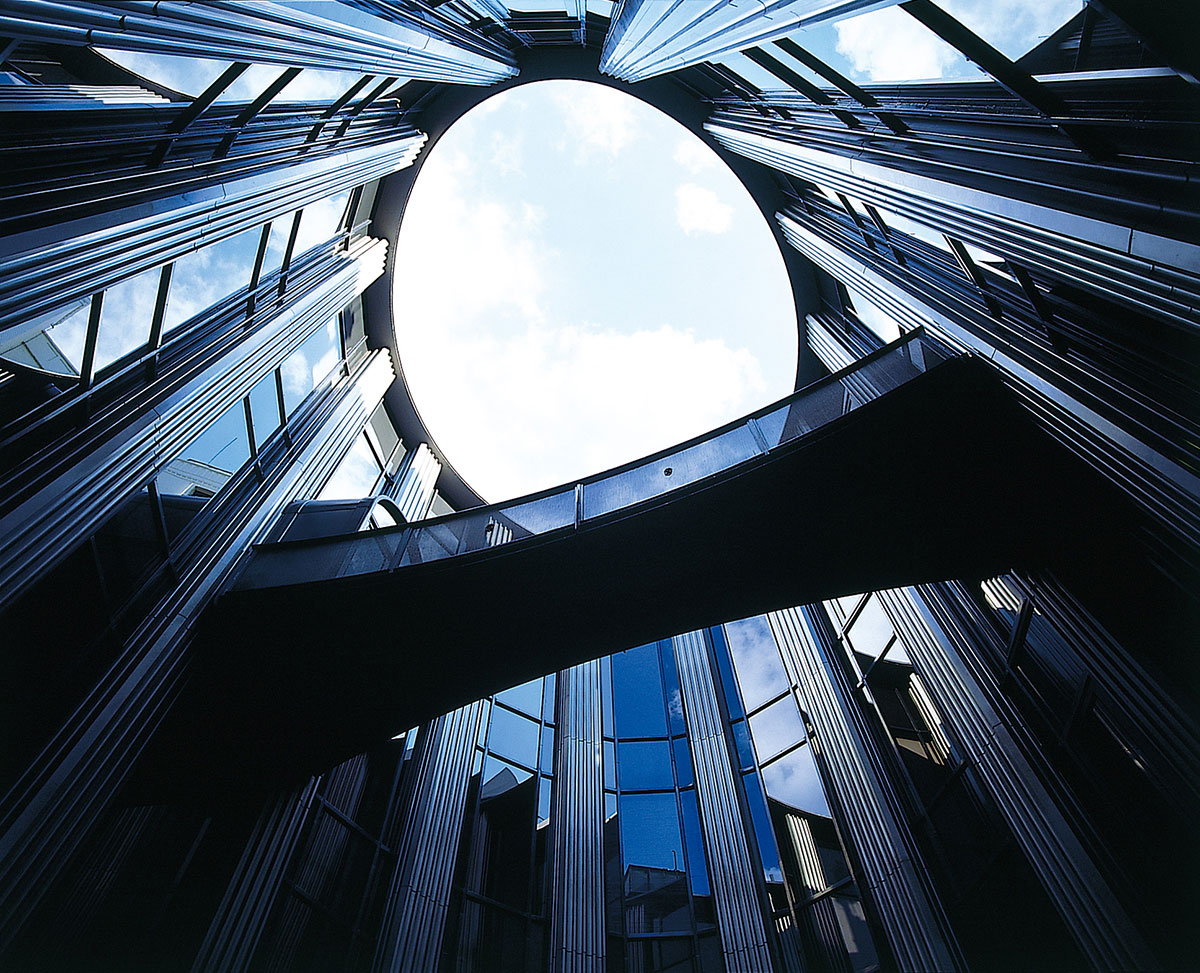
    Yoshiro Taniguchi designed this intimate two-storey museum in Shoto — a leafy residential quarter of Shibuya — around a central light well that keeps the galleries feeling open. The rotating exhibitions tend toward Japanese modern art, and the building itself is worth the visit.

  4. 15:30

    Free wander through Shoto and Daikanyama

    ~60 min

    The backstreets between Shoto and Daikanyama are some of the most pleasant walking in the city — low-rise, tree-lined, and dotted with small studios and workshops. No agenda required; just follow whichever lane looks interesting.

  5. 18:30

    Dinner at Inaげや

    ~75 min

    A long-standing Yanaka neighbourhood restaurant known for its thoughtful seasonal cooking. Sit down to carefully prepared fish and vegetables in a room that feels unhurried — the kind of dinner where you find yourself ordering one more thing.

  6. 20:15

    Nightcap at Kurokан

    ~75 min

    End the night at this quietly serious bar — the sort of place where a well-made highball or a glass of aged whisky is reason enough to stay another hour. Conversation is easy, and so is silence.

Day 3

  1. 09:30

    旧朝倉家住宅 — Former Asakura Residence

    ~75 min

    A rare surviving Taishō-era merchant's mansion in Daikanyama, complete with a moss-carpeted Japanese garden that wraps around the wooden structure. Arrive early to have the rooms to yourself — the engawa corridor overlooking the garden is particularly still in the morning light.

  2. 11:00

    Yoyogi Park — a different hour

    ~60 min

    Midweek mornings here belong to dog-walkers, tai chi practitioners, and the occasional crow. Skirt the inner paths and find the quieter western meadows — a useful exhale before the day's final cultural stop.

    Yoyogi Park — a different hour
  3. 12:30

    Lunch at Miyako

    ~60 min

    A small, dependable lunch spot where the cooking is honest and the portions generous. The kind of neighbourhood restaurant that keeps its regulars returning without needing to announce itself.

  4. 14:00

    National Art Center, Tokyo

    ~90 min

    Kisho Kurokawa's undulating glass facade in Roppongi is as impressive as anything inside — but the rotating exhibitions tend to run large and ambitious. Check what's showing; even a single gallery rewards a visit in this cathedral-scaled space.

    National Art Center, Tokyo
  5. 18:30

    Dinner at fermata

    ~105 min

    A fitting final meal — fermata's cooking is precise and ingredient-led, with the kind of care that shows in every plate without veering into self-congratulation. Linger over the courses and let the trip wind down gently.

  6. 20:30

    One last drink at 酒菜おたま

    ~90 min

    A sake and small-plates bar where the atmosphere is warm and low-key — the kind of place that makes saying goodnight genuinely difficult. Order the snacks, try something you haven't had before, and close out Tokyo on your own terms.

Good to know

How many days do I need for Tokyo?

The Slow City: Tokyo's Quieter Side covers Tokyo in 3 days, with 16 planned stops. You can follow it exactly as published, or shorten and extend days after opening it in the SMOVECITY app.

Can I customize this itinerary?

Yes. Opening it in the SMOVECITY app turns it into your own editable trip — reorder days, add or remove stops, and invite friends to plan together with live co-editing.

How do I get around in Tokyo?

The SMOVECITY app shows public transport, shared bikes, e-scooters and other mobility options in Tokyo on one live map, so you can compare routes between the stops on this itinerary as you go.

Planning the practical side? How to get around Tokyo

Make this itinerary yours

Open it in the SMOVECITY app to turn it into your own trip — edit the days, invite friends, and get around Tokyo with live transit and shared mobility.