Day 1
- 09:00
Arrive & Check In — Île de la Cité or Marais
~30 minDrop your bags at a hotel on or near the Île de la Cité — the geographic and historical heart of everything you'll explore today. The island's compact scale means most of the morning's sites are on foot.
- 09:30
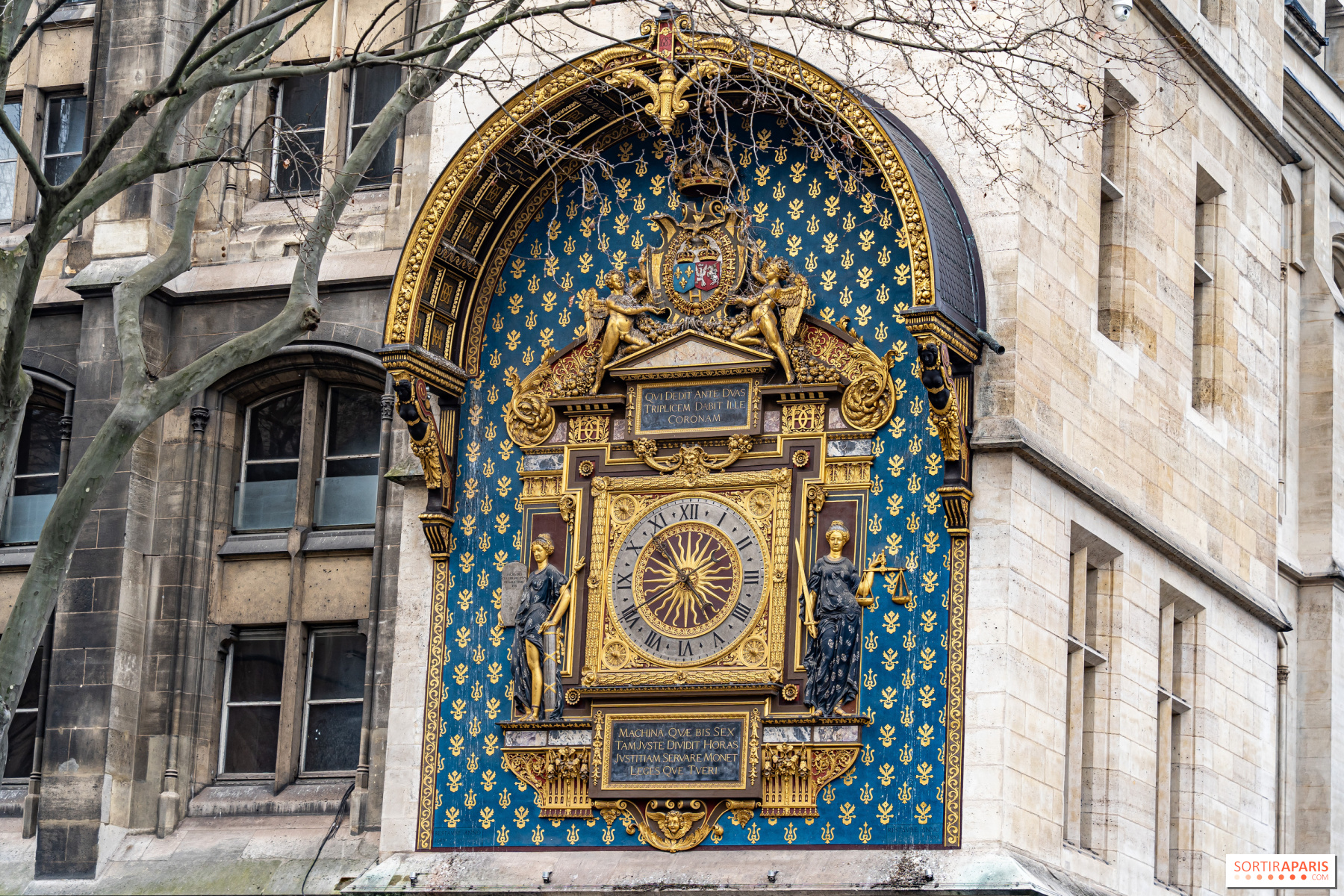
Tour de l'Horloge
~30 minStart at the Tour de l'Horloge — the ornate clock tower of the Palais de la Cité, installed in 1370 and Paris's first public clock. What makes it historically charged is its role on the night of 23–24 August 1572: the bell here gave the signal that began the St Bartholomew's Day Massacre, in which thousands of Huguenots were killed across France. The tower still stands on the corner of the Palais de Justice, its gilded face ticking quietly above the pavement.
- 10:00
Sainte-Chapelle
~60 minSteps from the clock tower, Sainte-Chapelle was built by Louis IX in 1248 to house relics of the Passion, including what was believed to be Christ's crown of thorns. Its upper chapel — 15 metres of almost uninterrupted stained glass — feels extraordinary even in full knowledge of its history. The building sat within the royal palace complex that would later become the Conciergerie prison, so you're already inside the judicial and penal geography of medieval and revolutionary Paris.

- 11:00
The Conciergerie
~75 minThe Conciergerie shares its walls with Sainte-Chapelle and is the logical continuation. Once the seat of royal administration, it became a Revolutionary prison after 1793 — its most famous detainee was Marie-Antoinette, who was held here in the weeks before her execution. The reconstructed cell, the hall where prisoners awaited the guillotine, and the medieval Gothic Salle des Gens d'Armes are all visitable. The building held over 2,700 prisoners during the Terror, most of them sent to the Place de la Révolution (now Place de la Concorde) to be executed.

- 12:30
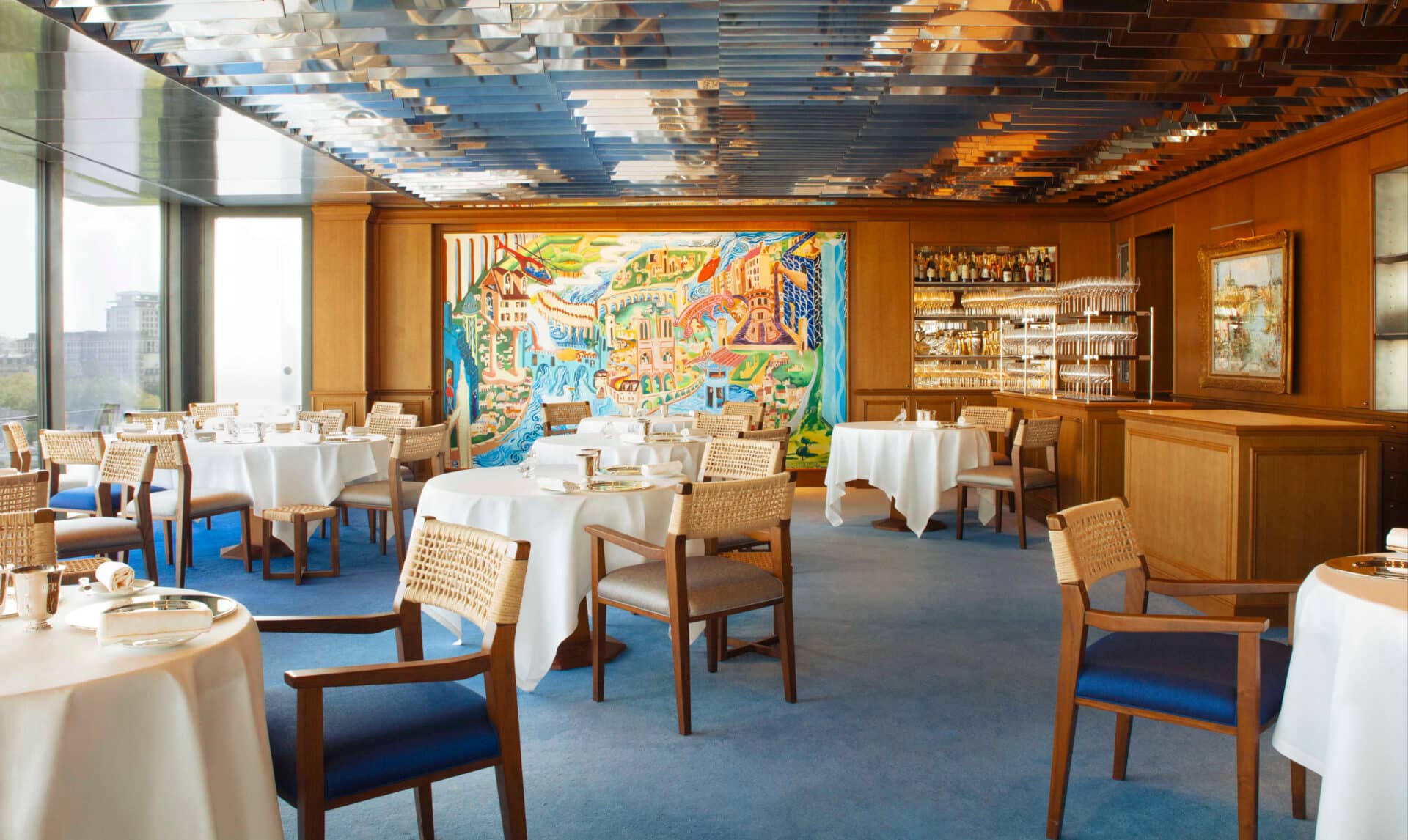
Lunch at La Tour d'Argent
~90 minCross to the Left Bank for lunch at La Tour d'Argent, one of the oldest restaurants in Paris, with origins traced to the 16th century. Its terrace looks directly out at Notre-Dame — a fitting frame for the morning you've just had. The pressed duck is the house legend, but the lunchtime menu is a more measured way to experience a room that has fed centuries of Parisian history.
- 14:15
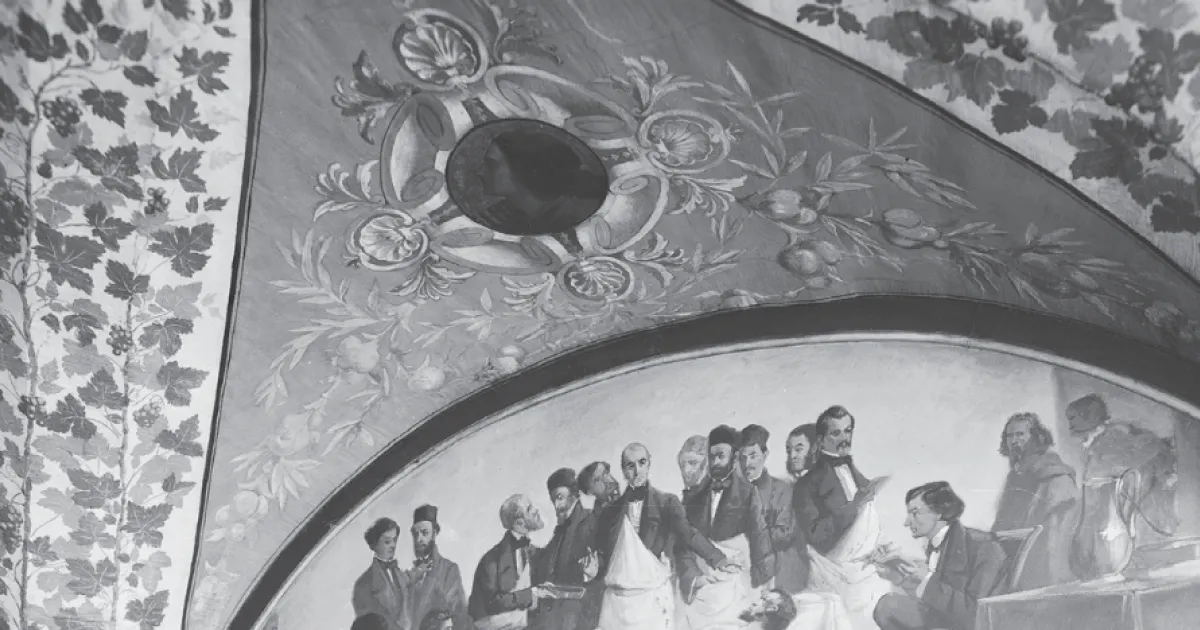
Musée de l'Assistance Publique — Hôpitaux de Paris
~75 minA short walk from lunch, this small but serious museum occupies the Hôtel de Miramion, a 17th-century mansion. It traces the history of Paris's public hospitals from the medieval Hôtel-Dieu — founded in 651 and the oldest hospital in the world still in operation — through plague, epidemic, and surgical history. The collections include apothecary jars, surgical instruments, and documents that chart how the city managed illness and death across centuries. Little-visited and all the more rewarding for it.
- 15:30
Notre-Dame de Paris
~60 minNotre-Dame de Paris has stood on this island since the 12th century, and its crypt — the Crypte archéologique du parvis Notre-Dame, just beneath the square outside — contains Roman-era foundations, medieval streets, and remnants of the city's earliest urban layers. After the 2019 fire and subsequent restoration, visiting the cathedral itself is an act of witnessing active history. The crypt entrance is on the parvis and should not be skipped.
- 19:00
Evening drink at Chez Marianne
~75 minWind down in the Marais at Chez Marianne — a low-key, warm spot where the food is Middle Eastern and the atmosphere is unhurried. Good for a late plate of mezze and a glass of wine after a day spent in the company of guillotines and plague records.

- 20:30
Nightcap at La Cordonnerie
~60 minFinish the evening at La Cordonnerie, a bar in the Marais with a quiet, characterful interior — the right place to sit with a drink and let the day's history settle.